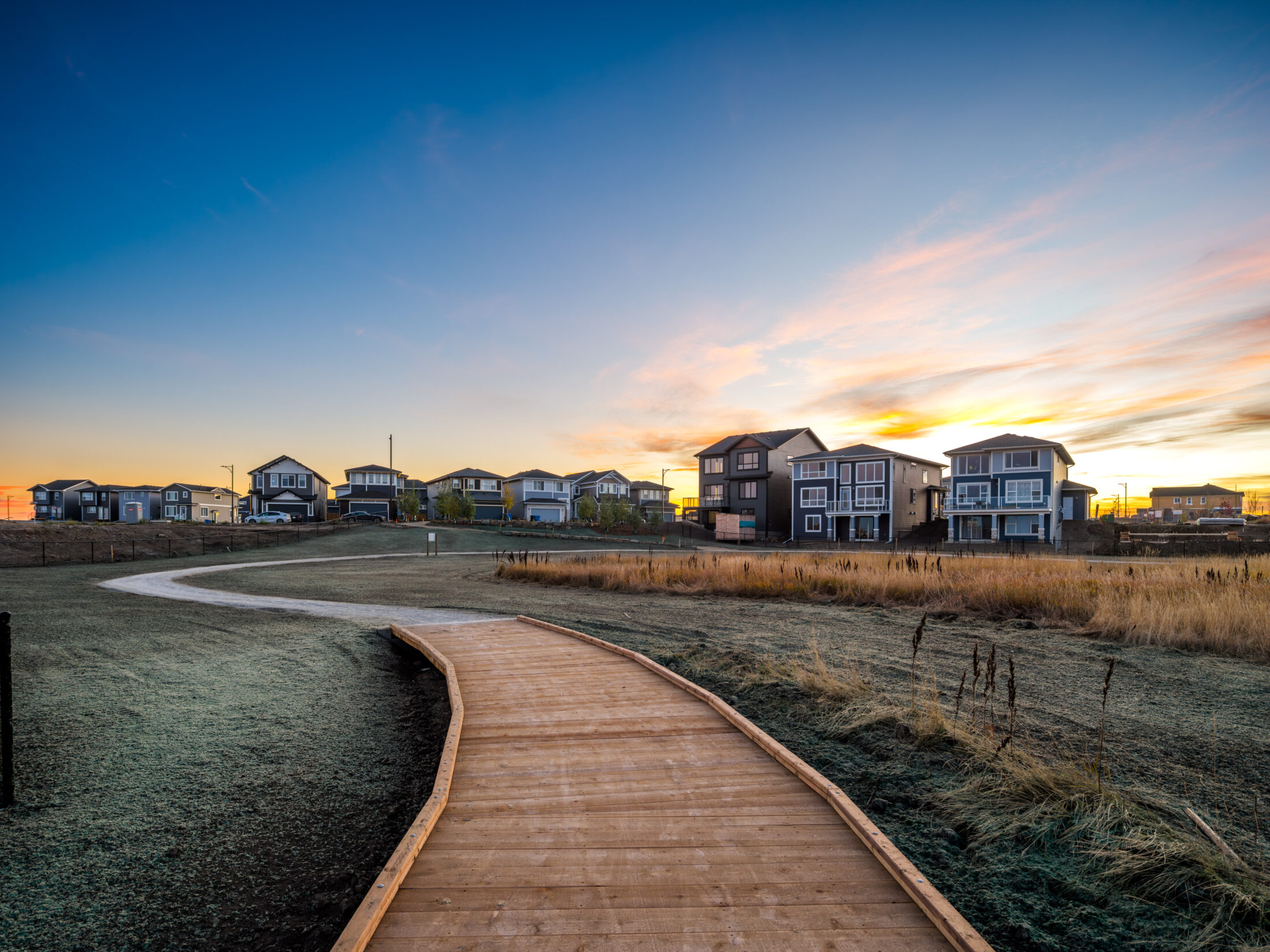
A new Eco Park in Chestermere is now open to explore. The Eco Park includes a restored prairie wetland shared by Chelsea developed by Anthem and Dawson’s Landing by Qualico Communities. You’ll find frogs, herons, muskrats and more local animals. Read on before you step out into our community to explore.
What is a Wetland?
A wetland is an area where water covers the soil or keeps it saturated for long enough each year to shape the plants and animals that live there. The land can be flooded all year, only in certain seasons or just wet below the surface.
Why Are Wetlands Important?
Prairie wetlands are highly productive natural areas that shelter many plants and animals. Four benefits stand out:
Wildlife homes: They support complex food webs and give wildlife important places to live
Bird migration: They are breeding areas and stopover sites for migrating ducks, shorebirds and songbirds worldwide
Flood and drought control: They store water, which softens floods in wet periods and droughts in dry ones
Natural filtering: Plants and soils clean the water before it returns underground
What Was the Eco Park Land Used for Before Chelsea was Developed?
The land was previously used for farming, which could disturb the wetlands and let harmful, non-native, weedy plants spread. The communities were developed and the wetlands were restored. Non-native plants were removed and the wetlands were restored back to a healthy, natural condition.
What Birds Can I See at the Eco Park?
We’re home to over 14 birds in the Eco Park, divided into three groups:
Shorebirds
American Avocet
Killdeer
Wilson’s Snipe
Sora
Songbirds
Clay-Coloured Sparrow
Common Yellowthroat
Yellow-Headed Blackbird
Savannah Sparrow
Red-Winged Blackbird
Waterbirds
Redhead
American Coot
Northern Shoveler
Pied-Billed Grebe
Mallard
Beyond birds, you’ll also find the boreal chorus frog, muskrats, coyotes, water boatmen and spreadwing damselflies.
What Plants Grow in the Eco Park?
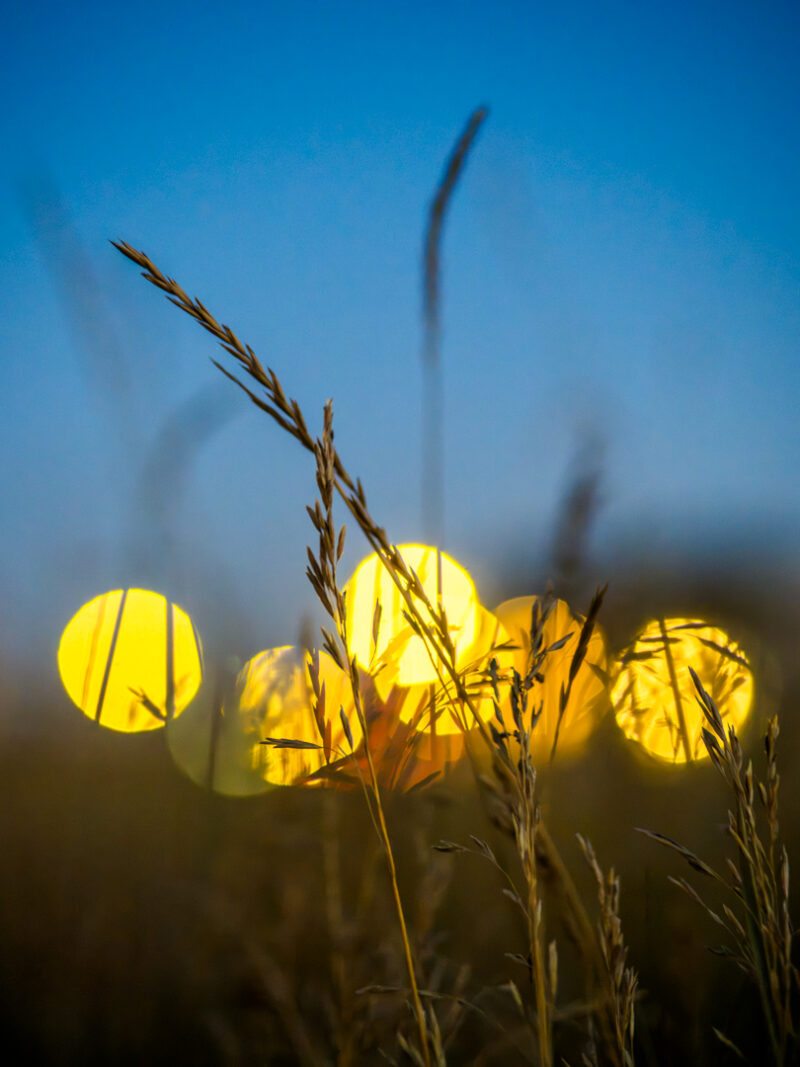
Foxtail barley (Hordeum jubatum)
Wire rush (Juncus balticus)
Common yarrow (Achillea borealis)
Hornwort (Ceratophyllum demersum)
Awned sedge (Carex antherodes)
Common duckweed (Lemna minor)
Common cattail (Typha latifolia)
Wild mint (Mentha arvensis)
How do I get to the Eco Park?
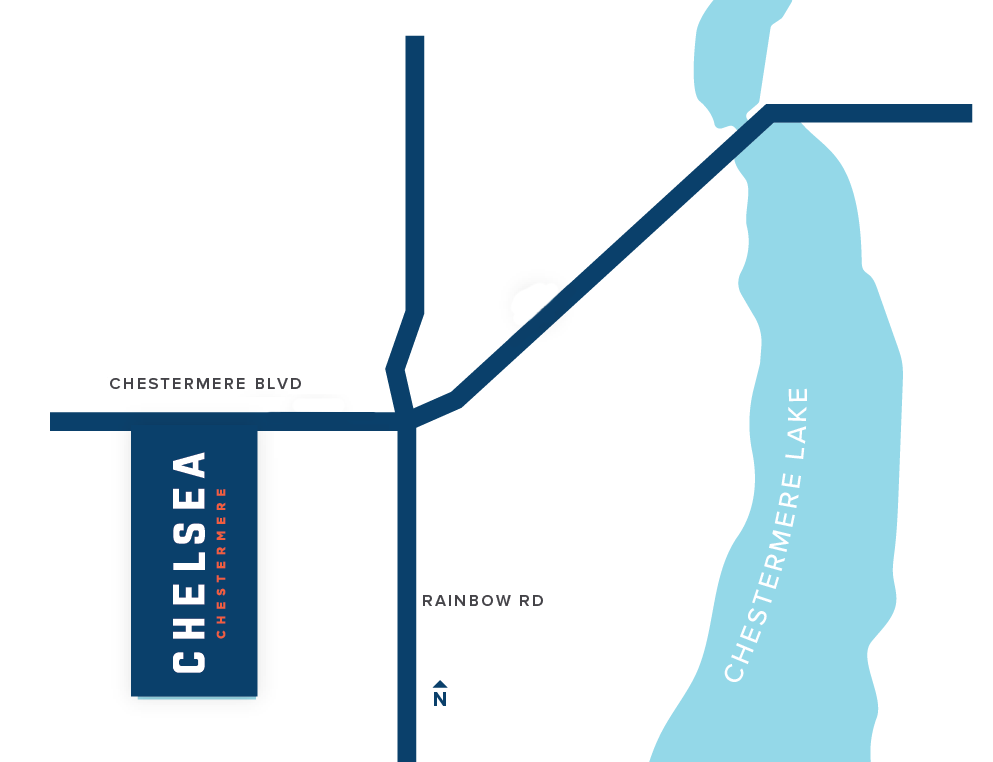
Visit Chelsea off Chestermere Blvd, head south on Chelsea Drive, then turn left on Chelsea Parade. Our new nature inspired playground is now open, too!